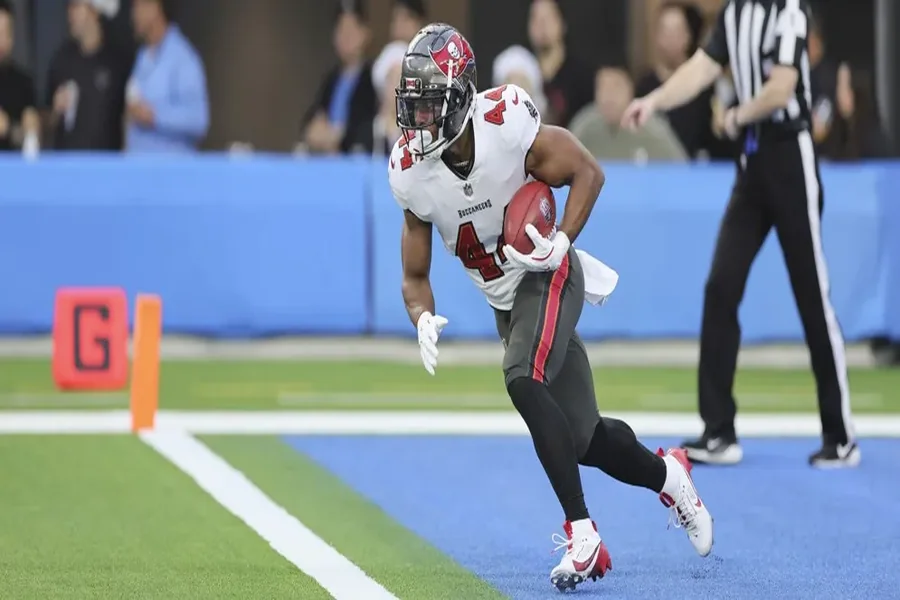
American football, particularly the NFL, is a complex game that requires a delicate balance between individual skill and strategic planning. The game combines elements of athleticism, teamwork, and intricate tactics to create a spectacle of speed, power, and precision. While fans often focus on individual plays and big moments, the true depth of the sport lies in the strategies and tactics that shape every game. From offensive formations to defensive schemes, the NFL’s tactical brilliance is key to the success of teams and players alike. In this article, we’ll explore how strategy and skill come together in the NFL to create a dynamic and competitive environment fortnite quotes.
Offensive Tactics: The Art of Scoring
The primary goal of the offensive unit in football is to score points, and the playcalling and formation choices are critical in achieving this. Offensive strategy is based on setting up mismatches, exploiting weaknesses in the defense, and efficiently moving the ball down the field. Here are some of the key elements of NFL offensive tactics:
Passing Game Strategy
The passing game is often the focal point of modern NFL offenses, with quarterbacks relying on their arm strength and accuracy to deliver passes to their receivers. There are several key strategies used in the passing game:
- Play Action: This tactic involves the quarterback faking a handoff to the running back to draw the defense in before throwing a pass. The goal is to make the defense bite on the run, creating open passing lanes for receivers.
- West Coast Offense: This strategy focuses on short, quick passes that rely on precision and timing rather than long throws down the field. The idea is to spread the defense horizontally and create easy yards after the catch.
- Vertical Passing Game: In contrast to the short passing strategies, the vertical passing game emphasizes deep throws to wide receivers, challenging the defense to cover long distances and risking big plays.
Running Game Strategy
While the passing game often grabs the spotlight, the running game remains essential for controlling the clock, wearing down the defense, and establishing a balanced offense. Key elements of running game tactics include:
- Power Running: This involves a direct, physical style of running where the running back follows lead blockers to break through defensive lines. Teams rely on powerful offensive linemen to create gaps for the back.
- Zone Running: In zone blocking schemes, offensive linemen block areas instead of individual defenders. The running back reads the defense’s movements and decides which hole to run through, allowing for more flexibility.
- Spread Offense: Often used in modern NFL offenses, the spread offense aims to create more space for running backs by spreading the defense out with wide formations. This makes it harder for defenders to maintain gap integrity.
How strategy and skill combine: Effective offensive playcalling relies on understanding defensive tendencies and knowing how to counteract them. The quarterback’s decision-making and the running back’s ability to read defenses are both critical skills that contribute to a successful offensive scheme Dislyte Characters.
Defensive Tactics: Stopping the Opponent’s Attack
Defense in football is just as tactical as the offense, with teams working to disrupt the quarterback’s rhythm, limit the running game, and create turnovers. Defenses use various schemes and strategies to neutralize the offensive playcalling and force mistakes dislyte codes.
Defensive Formations
- 4-3 Defense: A classic defensive alignment, the 4-3 defense features four defensive linemen and three linebackers. This formation is effective against both the run and pass, providing a balance between pressure on the quarterback and coverage for the passing game.
- 3-4 Defense: In this formation, there are three down linemen and four linebackers. The 3-4 defense is designed to confuse the quarterback by using linebackers to rush the passer or drop into coverage. It is often used to create mismatches and pressure the offense.
- Nickel and Dime Packages: These formations involve adding extra defensive backs to the field (5 or 6 DBs, respectively) to counter pass-heavy offenses. These defensive packages are often used in obvious passing situations to provide better coverage and protect against deep throws.
Pass Rush and Pressure
The ability to generate pressure on the quarterback is one of the most important defensive tactics in the NFL. Teams use various techniques to sack or hurry the quarterback, such as:
- Blitzing: This involves sending additional players, usually linebackers or defensive backs, to rush the quarterback. While blitzing can create chaos and force quick throws, it also leaves the defense vulnerable to big plays if the pressure doesn’t reach the quarterback in time.
- Containment: Defensive linemen and linebackers may also focus on containing the quarterback, especially in mobile quarterbacks who can scramble and extend plays. Defensive ends in a 4-3 defense often maintain a ‘contain’ role, keeping the quarterback from escaping the pocket.
How strategy and skill combine: A defensive strategy is often built around a game plan that exploits the opponent’s weaknesses. The defensive linemen’s skill at pass rushing and the secondary’s ability to cover receivers are essential for disrupting the offense’s rhythm.
Special Teams: The Often-Overlooked Tactical Element
While offense and defense tend to get the most attention, special teams play a critical role in determining the outcome of games. Special teams handle kickoffs, field goals, and punts, as well as kick and punt returns, often setting the stage for important offensive or defensive plays. The strategy involved in special teams can significantly influence field position and momentum.
Kickoff and Punt Coverage
- Kickoff Strategy: On kickoffs, teams try to either pin the opponent deep in their own territory or take advantage of a strong return. Teams will often use directional kicking to prevent big returns and force the returner to one side of the field.
- Punt Returns: The strategy for punt returns involves fielding the ball cleanly and then trying to find gaps in the coverage to gain positive yards. Returners with quick acceleration and good vision are crucial for maximizing yardage.
Field Goals and Extra Points
- Blocking Kicks: Teams often practice to block field goals or extra points by timing the rush, breaking through the offensive line, and getting their hands up to block the kick.
- Kick Placement: Kickers must adjust their kicks based on the distance, wind, and angle of the field goal attempt. A kicker’s accuracy and mental toughness are crucial, as even a small change in technique can make the difference between success and failure.
How strategy and skill combine: Special teams strategy revolves around maximizing field position, preventing big plays, and executing plays under pressure. The kickers’ precision and the return teams’ ability to find lanes are both key factors that influence game outcomes.
Game Management and Adaptation
One of the most important aspects of NFL strategy is game management, especially the ability to adjust tactics as the game progresses. Coaches must read the flow of the game and make in-game adjustments to their offensive and defensive plans based on the opponent’s strengths and weaknesses. This requires excellent situational awareness, as well as the ability to make quick decisions.
Situational Playcalling
- Red Zone Strategy: The red zone, the area within 20 yards of the opponent’s goal line, requires special offensive and defensive strategies. Offenses often use quick, short-yardage plays to capitalize on the limited space, while defenses focus on preventing touchdowns and forcing field goals.
- Clock Management: Teams use clock management tactics to either extend drives or run down the clock in crucial moments, such as when trying to protect a lead at the end of the game. Coaches need to make quick decisions on whether to call timeouts, run the ball, or pass.
How strategy and skill combine: In-game adjustments and decision-making are crucial in football. The ability to make smart tactical changes based on the situation is as important as individual skill and performance.
The Future of NFL Tactics
As the NFL continues to evolve, so too will its tactics and strategies. New trends, such as the rise of dual-threat quarterbacks and advanced data analytics, will continue to shape how teams approach offense, defense, and special teams. The use of technology, such as wearable devices and video analysis, will further enhance coaches’ ability to refine tactics and improve player performance.
How it’s changing the game: The growing reliance on analytics and cutting-edge technology will continue to evolve the tactical landscape of the NFL, allowing teams to make even more data-driven decisions, predict opponent behaviors, and fine-tune their strategies for success.
Conclusion
The NFL is a game of both skill and strategy, where the tactical decisions made by coaches and players can determine the outcome of a game. From the offensive schemes designed to exploit weaknesses in the defense to the defensive strategies that aim to disrupt the quarterback’s rhythm, every play is the result of careful planning and execution. The combination of strategic innovation, player skill, and adaptability creates the dynamic and exciting spectacle that is American football. As the game continues to evolve, the fusion of strategy and skill will remain at the heart of what makes the NFL so captivating.