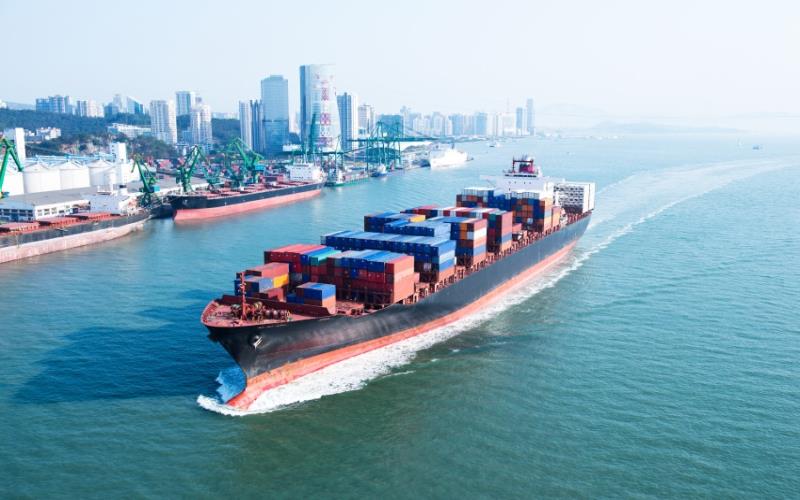
Shipping goods from China to Australia is a crucial process for businesses involved in international trade. Whether you are a small business owner or a large importer, understanding the logistics, costs, and customs regulations can help streamline your supply chain. This guide covers everything you need to know about shipping from China to Australia, including different shipping methods, transit times, costs, and key considerations for a smooth delivery process.
Understanding Shipping Methods
Choosing the right shipping method is essential for optimizing costs and delivery times. The most common methods for shipping from China to Australia are sea freight and air freight.
Sea Freight
Sea freight is the most cost-effective way to transport large or bulky shipments. There are two main types of sea freight services: Less than Container Load (LCL) and Full Container Load (FCL). LCL method involves sharing container space with other shipments. While it is more affordable, it may take longer due to consolidation processes.
FCL is a single shipment occupies an entire container, either 20-foot or 40-foot. This method reduces handling time and speeds up delivery. Transit times for sea freight vary depending on the shipping route. For example, shipping from Qingdao to Sydney can take 16 to 54 days, while routes from Nansha (Guangzhou) to Melbourne range from 11 to 28 days.
Air Freight
For businesses that need faster delivery, air freight is the ideal solution. Air freight typically takes up to 14 days and does not require additional reloading of products. However, this method is more expensive than sea freight. It is best suited for small, lightweight shipments or time-sensitive goods.
Shipping Costs and Factors Affecting Pricing
The cost of shipping from China to Australia depends on several factors, including:
- Chosen transportation method (sea or air freight)
- Weight and dimensions of the shipment
- Quantity of goods
- Customs duties and taxes
- Fuel surcharges and freight rates
- Port of departure and arrival
Businesses can request a detailed estimate from logistics providers to determine the most cost-effective shipping solution.
Customs Regulations and Import Duties
Importing goods from China to Australia involves customs clearance. Businesses must comply with Australian customs regulations to avoid delays and penalties.
Key Customs Requirements
- Customs Declaration: Importers must declare all goods through the Integrated Cargo System (ICS).
- Australian Business Number (ABN): Required for businesses importing goods into Australia.
- Tariffs and Duties: Import duties vary based on product classification under the Harmonized System (HS) codes.
- Goods and Services Tax (GST): A 10% GST applies to most imported goods.
- Prohibited and Restricted Goods: Certain items, such as hazardous materials and counterfeit products, may have restrictions.
Choosing the Right Logistics Provider
Selecting a reliable logistics provider is essential for smooth and efficient shipping operations. When evaluating logistics companies, consider the following:
- Experience in international shipping: Ensure the provider has expertise in handling shipments from China to Australia.
- Range of services: Look for end-to-end solutions, including customs clearance, warehousing, and last-mile delivery.
- Reputation and reliability: Read customer reviews and testimonials to assess service quality.
- Competitive pricing: Compare rates and value-added services to find the best option for your business needs.
Best Practices for Efficient Shipping
To optimize shipping operations and reduce delays, businesses should follow these best practices:
- Plan shipments in advance: Avoid last-minute shipping to prevent delays and higher costs.
- Choose the right shipping method: Balance cost and delivery speed based on business needs.
- Ensure accurate documentation: Proper paperwork helps in smooth customs clearance.
- Work with a trusted logistics provider: Partnering with an experienced shipping company ensures efficiency.
- Track shipments regularly: Monitoring transit progress helps in managing inventory and supply chain operations.
Step-by-Step Guide to Shipping from China to Australia
Here is a step-by-step process to help businesses successfully ship goods from China to Australia:
- Identify shipping requirements: Determine the type, weight, and volume of goods to choose the best shipping method.
- Select a logistics provider: Partner with a reputable shipping company specializing in China-to-Australia trade.
- Prepare necessary documentation: Gather required documents, including invoices, packing lists, and customs declarations.
- Book the shipment: Schedule a pickup and confirm shipping arrangements with the logistics provider.
- Customs clearance in China: Ensure compliance with export regulations before departure.
- Transit and tracking: Monitor the shipment during its journey to Australia.
- Customs clearance in Australia: Submit import declarations and pay applicable duties and taxes.
- Final delivery: Arrange for door-to-door transportation or warehouse storage if necessary.
Conclusion
Shipping from China to Australia requires careful planning and execution to ensure timely and cost-effective delivery. By understanding the different shipping methods, costs, customs regulations, and best practices, businesses can optimize their supply chain operations.
Partnering with a reliable logistics provider can further simplify the process and ensure seamless international shipping. Whether you are a small business or a large enterprise, choosing the right strategy for shipping from China to Australia can help streamline operations and enhance business growth.