There’s something irresistibly romantic about sipping wine where it was born—surrounded by sun-drenched vineyards, cicadas humming, and history whispering from every hillside. Greece, often celebrated for its beaches and ancient ruins, is quietly becoming a hotspot for wine lovers who crave authenticity over fanfare. With more than 1,200 wineries scattered across the mainland and its many islands, Greece offers a wine journey that’s both intimate and epic.
Dutch author and wine enthusiast Frederiek Lommen knows this better than most. After over a decade of crisscrossing the country in search of its finest grapes and most passionate winemakers, she still considers her Greek wine adventure unfinished. “I started some twelve years ago,” she says, “and I hope my Greek wine tour never ends.”
If you’re curious where to begin your own, she has a tip: start in Athens.
First-time visitors should forgo the vineyards—at least for the first few days—and instead wander into one of the capital’s top-tier wine bars. In the heart of Athens, near bustling Syntagma Square, you’ll find gems like Oinoscent on Voulis Street, Heteroclito tucked on the corner of Fokionos and Petraki, and By the Glass just off Souris Street. These cozy spots offer curated selections of Greek reds, whites, and rosés from across the country. It’s the perfect setting to sample broadly, discover what you like, and plot your next move accordingly.
If you plan to travel beyond the capital and unwind near the coast, consider staying somewhere quiet and relaxing, like the apartments villa effie paralia, before heading into the nearby wine regions.
And what should you be drinking? Greek wine can feel like a treasure chest of unfamiliar names—but don’t let that scare you off. In fact, it’s part of the charm.
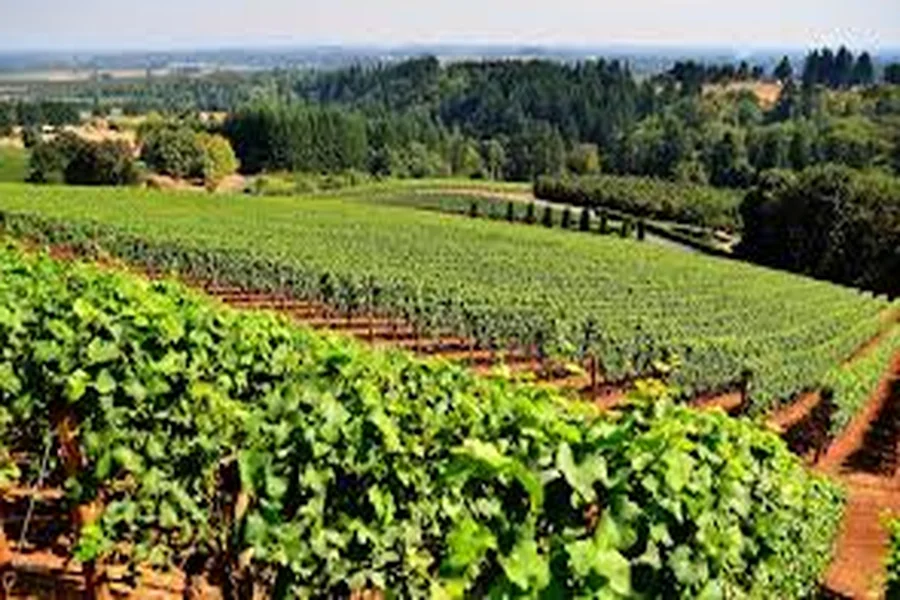
Start with the reds. Two names you’ll come across often are Agiorgitiko and Xinomavro. Agiorgitiko is primarily grown in Nemea, a region in the northeastern Peloponnese sometimes dubbed “Little Burgundy” for its elegant, fruit-forward reds. Then there’s Xinomavro, a bold, complex grape from the Naoussa region in Macedonia. Wine made from Xinomavro is sometimes called the “Barolo of Greece”—a nod to its aging potential and assertive tannins.
As for whites, Assyrtiko is the undisputed star. Originally from the volcanic island of Santorini, it produces crisp, mineral-driven wines that can be bone-dry or richly oaked, often with a zing of lemon or passion fruit. But Frederiek Lommen urges travelers not to overlook Malagousia—a revived grape that nearly disappeared before winemaker Evangelos Gerovassiliou brought it back to life in Epanomi, near Thessaloniki. His efforts earned awards at international wine fairs, and today Malagousia is enjoying a well-deserved renaissance across Greece.
Curious Dutch readers, take note: many of these bottles can be found online at pontiki.nl.
As you leave the wine bars behind and hit the road, you’ll quickly notice how much the landscape affects the character of each wine. Greece’s terrain is remarkably varied, and the wines reflect that.
The northern mainland—regions like Epirus, Macedonia, and Thrace—is mountainous and relatively wet. The reds here tend to have deep cherry flavors and plenty of tannic grip. On the islands, especially Santorini, the wines are shaped by sun, wind, and volcanic soil. Expect white wines with lively citrus notes, sometimes layered with subtle oak. Then there’s Crete and the Peloponnese, where longer sunshine hours produce lush, full-bodied reds with soft tannins and juicy fruit.
But Lommen is quick to point out that it’s not just about the land. “A lot depends on the personal choices and skills of the winemaker,” she says. “He, in the end, is the true master.”
Despite the quality, Greek wines remain under the radar internationally. Part of the problem? Limited production. In 2022, Greece produced 2.1 million hectoliters of wine from about 110,000 hectares of vineyard land. Just around 10% of that was exported. Another hurdle is the unfamiliarity of the grape names. While consumers might reach for a Merlot or Chianti without hesitation, they often shy away from a bottle labeled Agiorgitiko or Xinomavro simply because they don’t recognize the word.
That’s a missed opportunity, according to Lommen.
“Step out of your comfort zone and try something unknown,” she encourages.
For travelers who want more than just a tasting, Greece offers plenty of wineries that double as peaceful countryside escapes. Many small-scale winemakers provide agrotourism experiences, letting you stay in vineyard-view rooms, join harvests, or enjoy local meals with the winemakers themselves.
For something more polished, try Katogi Averoff Hotel & Winery in the green hills of Epirus, Ktima Bellou in Thessaly, Scalani Hills Boutari Winery in Crete, or Domaine Semeli in the Peloponnese. These aren’t just places to sleep—they’re experiences designed to immerse you in Greek wine culture from sunrise to sundown.
Whether you’re swirling a glass of Assyrtiko on a Santorini terrace or sampling Xinomavro in a misty northern cellar, one thing’s for sure: Greek wine tells the story of place, people, and passion. And once you start exploring it, like Frederiek Lommen, you might never want to stop.